

Most aircraft features remain silent during flights. They never blink or beep for attention. Nevertheless, these concealed elements remain prepared for a potential day of misfortune that might never materialize. And if it does show up, they become the line between a good scare and a genuine tragedy. Engineers build these systems while quietly hoping they gather dust forever.
The Silent Guardians
Some parts of an aircraft earn their pay by doing nothing at all most of the time. A fire suppression system waits inside the walls. Emergency oxygen tucks away above the seats. Backup power sits idle in case the main supply cuts out. Flight after flight, these features accomplish precisely zero, and honestly, that is the whole idea. Engineers still throw enormous effort at them. They test each one again and again. A part that fires maybe once in ten thousand flights still has to nail the job on that single occasion. Nobody gets to phone in a lazy design when one slip could cost lives.
When the Sky Turns Hostile
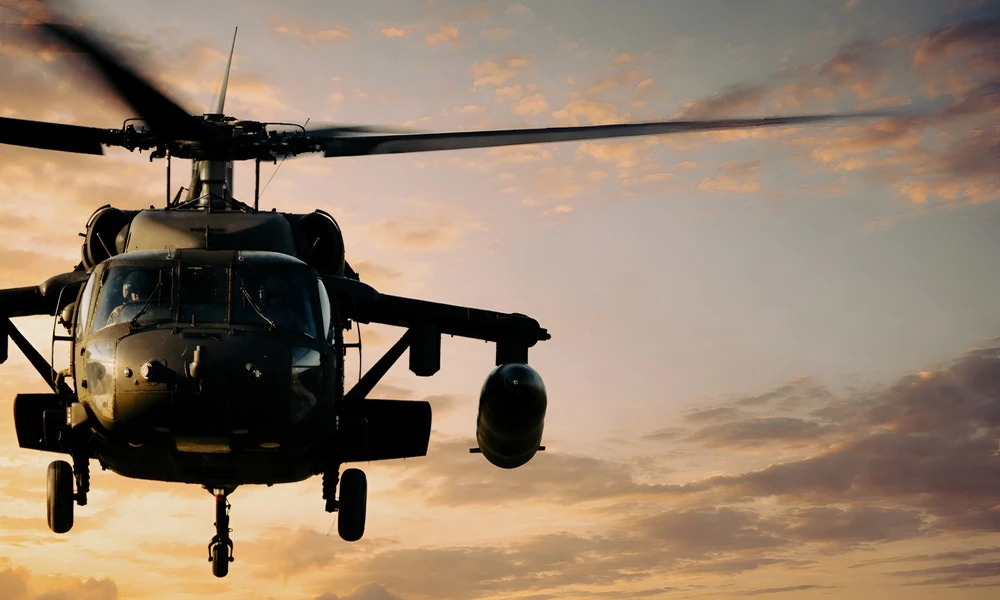
Certain aircraft fly straight into places where the danger rises from the ground. Crews sometimes cut across conflict zones or shaky regions where a threat can lash out from below with no warning. Missions like that call for protection that ordinary planes simply never haul. Aviation ballistic protection takes the stage in these moments. LifePort creates systems that protect crews and gear from gunfire. Their work improves aircrew survival in hostile flights. This kind of shielding stays silent through every peaceful mission. Then, on the ugliest day, it does the single job somebody built it to do.
Backups for the Backups
Solid aircraft design never leans on one system by itself. Engineers stack layers, then pile more layers on top. A backup hydraulics system engages if the main one fails. One engine can keep the plane flying if the other quits. If the primary controls go dark, a manual path still lets the pilot steer. All this doubling up feels like overkill on a calm afternoon. In an emergency, it turns into a lifeline. A pilot staring down one failure can lean on the backup and get everyone home in one piece.
The Cabin You Never Notice
Glance around a cabin and you will miss most of the safety packed into it. Seats soak up the shock of a rough landing. Restraints clamp people down through a violent jolt. Padding cushions the surfaces a body might slam into. Even the bolts holding a seat to the floor follow strict rules aimed at a crash nobody plans for. Passengers hardly ever give these things a second look. That is perfectly fine. Engineers handled the fine details.
Testing the Untested
These features get hammered in testing for something that may never actually happen. Engineers light fires to check suppression systems. They fire rounds into armor panels. Engineers ram seats into walls at high speed. They break each part on purpose so it will not break by surprise down the road. The process sounds grim, sure, but it pays off. Every brutal test leaves the real aircraft safer. By the time a crew buckles in, these silent systems have already lived through more abuse than any flight would ever dish out.
Conclusion
The finest parts of an aircraft tend to be the ones you never think about. They ask for no thanks and chase no spotlight. They just wait, ready for a moment everybody prays stays far, far away. Great design does not beg for applause. It simply holds firm when the worst finally comes knocking.