

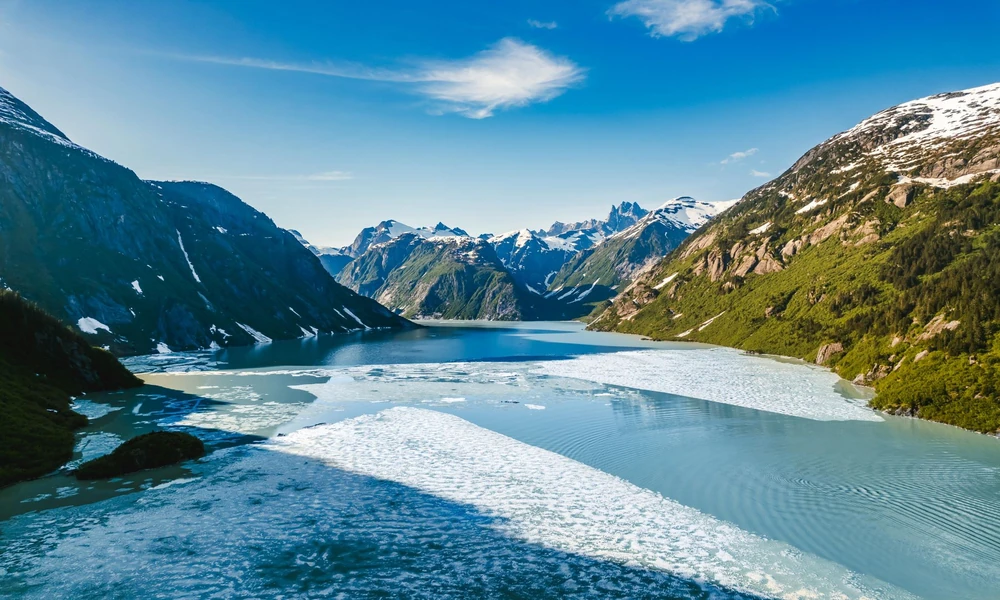
Alaska’s travel season is short, and the most memorable experiences, from glacier viewing to wildlife tours, are concentrated in a few summer months. That makes planning ahead especially valuable. Travelers who start thinking about next summer during the colder months often have more choices and a clearer sense of what kind of trip they want.
The challenge is that Alaska is enormous, and there are many ways to experience it. An Alaskan cruise, a road trip, a rail journey, or a combination of all three can each deliver a very different vacation. Here are the key decisions to make first so the rest of the planning falls into place.
1. Decide When to Go
The main visitor season generally runs from late spring through early autumn, and each part of it has its own appeal.
- Late spring: Fewer visitors, snow still on the peaks, and wildlife emerging.
- Midsummer: The warmest weather and the longest daylight hours.
- Late summer: Salmon runs, active bears, and the first hints of autumn color.
- Early autumn: Cooler temperatures, quieter towns, and darker nights.
2. Choose Your Region
Alaska’s regions feel very different from one another.
- Southeast Alaska: Coastal towns, rainforest, fjords, and tidewater glaciers.
- Southcentral Alaska: Anchorage, the Kenai Peninsula, and easy road access to mountains and coast.
- The Interior: Denali, Fairbanks, and wide open wilderness.
- Far North and Arctic: Remote and rugged, best for experienced adventurers.
3. Pick Your Main Mode of Travel
Distances are large, and many coastal communities are not connected by road. Travel by sea is a practical way to see the Inside Passage, while rail and road travel open up the Interior. Many visitors combine approaches, such as pairing a sea voyage with a land extension to Denali.
4. Set Your Priorities
It helps to name the top two or three experiences that matter most. That makes it easier to choose an itinerary that delivers them.
- Glaciers: Prioritize routes that include glacier viewing areas.
- Wildlife: Plan time for national parks and guided tours.
- History and culture: Include towns with museums and cultural centers.
- Active adventure: Leave room for hiking, kayaking, or flightseeing.
5. Decide How Long to Stay
A week offers a good introduction to one region. Ten days or more allows travelers to combine the coast and the Interior without feeling rushed. Longer trips also leave room for weather delays, which are common in Alaska.
6. Plan Around Popular Experiences
Some activities have limited capacity during the season, especially small-group wildlife tours, flightseeing, and lodges near national parks. Reviewing official resources such as Travel Alaska early helps travelers understand what is available and which experiences tend to fill up.
7. Think About Gear Early
Alaska summers can be cool and wet, even on sunny trips. Starting a packing list well ahead allows time to find the right layers.
- A waterproof jacket and pants.
- Warm layers such as fleece or wool.
- Broken-in waterproof hiking shoes.
- Binoculars for wildlife and glacier viewing.
Common Planning Mistakes
- Underestimating distances: Places that look close on a map can be many hours apart.
- Overpacking the schedule: Weather and wildlife do not follow a timetable.
- Waiting too long: Popular tours and lodges can fill well before summer.
- Ignoring the shoulder season: Late spring and early autumn can be quieter and just as rewarding.
An Easier Path to the Last Frontier
Making a few key decisions early turns a big, complex destination into a manageable plan. With timing, region, and priorities set, travelers can spend the rest of the off-season looking forward to an Alaska summer built around exactly what they want to see.