

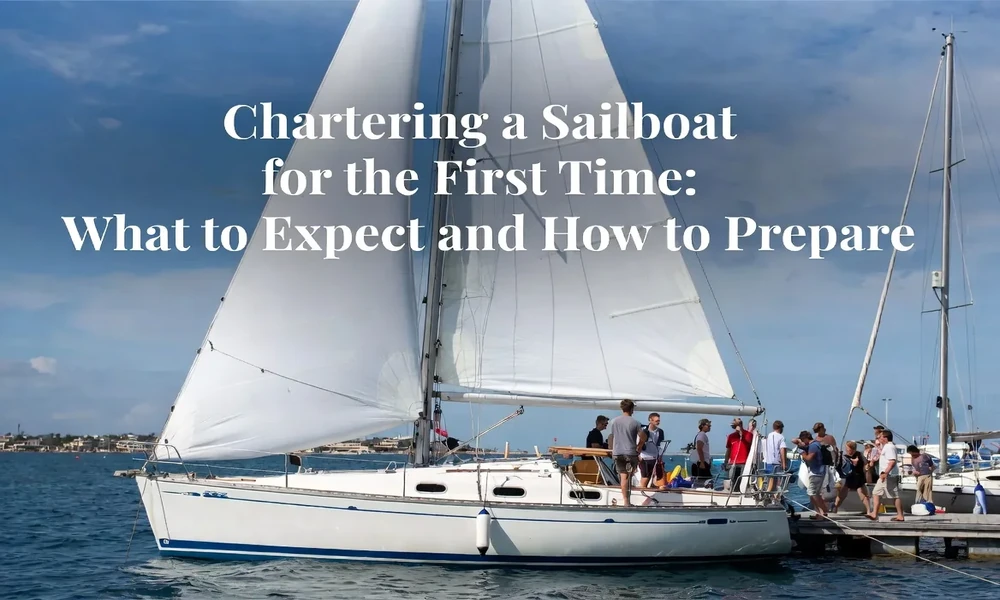
There’s a moment, somewhere between booking your trip and stepping onto the dock, when chartering a sailboat for the first time feels equal parts thrilling and intimidating. You’ve pictured the turquoise water and the quiet anchorages, but you’re also wondering about the practical side: How does this actually work? What do I need to know? Will I be out of my depth?
The good news is that chartering is one of the most accessible ways to experience life under sail, even with zero sailing background. Thousands of first-timers do it every season and come home hooked. This guide walks you through exactly what to expect and how to prepare so your first charter feels smooth from the very first day.
What “Chartering” Actually Means
Chartering simply means renting a boat for a set period, usually a week. But unlike renting a car, there are a few different models, and choosing the right one is the single most important decision you’ll make as a beginner.
Bareboat Charter
You rent the boat and skipper it yourself. This requires sailing qualifications and experience, so it’s not the route for a genuine first-timer – but it’s good to know it exists for later.
Skippered Charter
You get the boat plus a professional captain who handles the sailing and navigation. You can be as hands-on or hands-off as you like. For most first-timers, this is the ideal balance of learning and relaxation.
Crewed Charter
The boat comes with a full crew – often a skipper and a cook – so everything is taken care of. It’s the most relaxing and the most expensive, and it turns the trip into a true holiday.
How to Choose Your Boat
Boats vary enormously, and the right one depends on your group and priorities. Monohulls heel over and feel “sailier,” while catamarans stay flat, offer more space, and are far more stable at anchor – a big plus if anyone is prone to seasickness. Consider the number of cabins and bathrooms you need, the total group size, and how much living space matters to you. For most first-timers with a small group, a 40-something-foot catamaran hits a comfortable sweet spot.
What It Costs
Charter pricing depends on the boat, the season, and whether you add crew. Beyond the base charter fee, budget for a skipper or crew if applicable, fuel, marina and mooring fees, provisioning (food and drink), a security deposit, and crew tips. Sailing in the shoulder seasons on either side of peak summer often means noticeably lower prices, better weather, and quieter anchorages.
Preparing for Your First Charter
A little preparation goes a long way. Before you travel, read up on the basics so you arrive feeling informed rather than lost. A great starting point is a solid library of beginner boating resources – the
boating guides at US Nautics cover the fundamentals of sailing, safety, and life aboard in plain language, which helps first-timers feel confident before they ever step on deck. Arriving with even a basic understanding of how a boat works makes the whole experience richer.
What Your First Day Looks Like
On arrival you’ll typically get a boat briefing (a walkthrough of the systems), a chart briefing (an overview of the sailing area and good anchorages), and time to provision and settle in. Don’t rush it – ask every question that comes to mind, because the crew or charter base would far rather explain something twice than have you guess. Once you slip the lines and clear the harbor, the nerves usually melt away within the first hour.
Etiquette and Safety Basics
A few simple habits make you a great charter guest and keep everyone safe: listen carefully to the safety briefing and know where the life jackets live, keep the boat reasonably tidy since space is tight, stay hydrated and use sunscreen generously, and always follow the skipper’s instructions during maneuvers like anchoring or docking. None of it is complicated – it’s mostly common sense plus respect for the sea.
Common First-Timer Mistakes
Learn from those who’ve gone before and avoid the classics: overpacking with hard suitcases (soft bags only), underestimating the sun, forgetting motion-sickness remedies, over-scheduling every day instead of leaving room to linger, and being shy about asking the crew questions. Keep your expectations realistic and your itinerary flexible, and you’ll have a wonderful time.
Final Thoughts
Chartering a sailboat for the first time is far less daunting than it looks from the outside. Choose a skippered or crewed charter, pick a boat that suits your group, prepare a little in advance, and stay open to the experience. For most people, that first charter is the beginning of a long love affair with the water – and the moment they realize this kind of travel was within reach all along.
Whether you’re looking to learn more about boating, buy a boat or yacht, rent a vessel for your next adventure, or find the right accessories for life on the water, US Nautics has you covered – with practical boating guides, boats and yachts for sale, and honest, hands-on reviews of the gear and accessories that matter most. It’s a genuinely useful resource to bookmark and keep coming back to as your time on the water grows.