

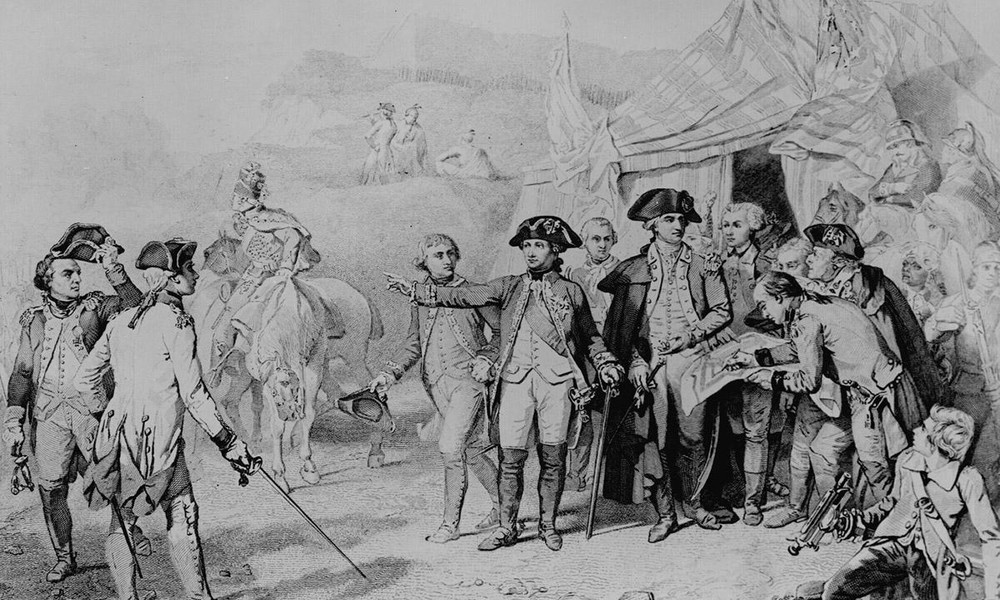
Understanding how political beliefs split communities, families, and the future of the American colonies.
The American Revolution is often framed as a united fight for independence, but the reality was far more divided. Not all colonists supported breaking away from Britain. In fact, the population was split between two main groups: Patriots and Loyalists.
These divisions created tension not just between colonies and Britain, but within communities, neighborhoods, and even families. Understanding these groups reveals how complex and uncertain the path to independence really was.
Who Were the Patriots?
Patriots were colonists who supported independence from Britain. They believed that British rule had become unfair and oppressive, especially regarding taxation and lack of representation.
Patriots pushed for self-governance and were willing to take action, including protest and eventually war, to achieve it.
Enlightenment ideas about natural rights and democracy influenced many Patriots.
“For Patriots, the Revolution was about more than independence. It was about redefining power and individual rights.”
Who Were the Loyalists?
Loyalists, sometimes called Tories, remained loyal to the British Crown. They believed that maintaining ties with Britain offered stability, protection, and economic benefits.
Some Loyalists feared that independence would lead to chaos or economic collapse. Others simply felt a strong cultural and political connection to Britain.
Loyalists came from all backgrounds, including merchants, government officials, and everyday citizens.
Why the Colonies Were Divided
Several factors, including location, economic interests, and personal beliefs, influenced the division between Patriots and Loyalists.
Urban areas often had stronger Patriot support, while rural regions and certain colonies had more Loyalists.
Economic ties to Britain also played a role. Those who depended on British trade were more likely to support the Crown.
The Impact of These Divisions
The conflict between Patriots and Loyalists went beyond political debate. It often led to social tension, violence, and displacement.
Loyalists faced harassment and loss of property and, often, were forced to leave the colonies after the war.
An estimated tens of thousands of Loyalists relocated to Canada, Britain, or other British territories.
Conclusion
The American Revolution was not a simple story of unity. It was a deeply divided struggle that forced colonists to choose sides in a conflict that reshaped their lives.
Understanding the roles of Patriots and Loyalists highlights the internal challenges that shaped the path to independence.
FAQs
Who were the Patriots?
Colonists who supported independence from Britain.
Who were the Loyalists?
Colonists who remained loyal to the British Crown.
Why did some colonists stay loyal?
What happened to Loyalists after the war?
Many left the United States and moved to other British territories.