

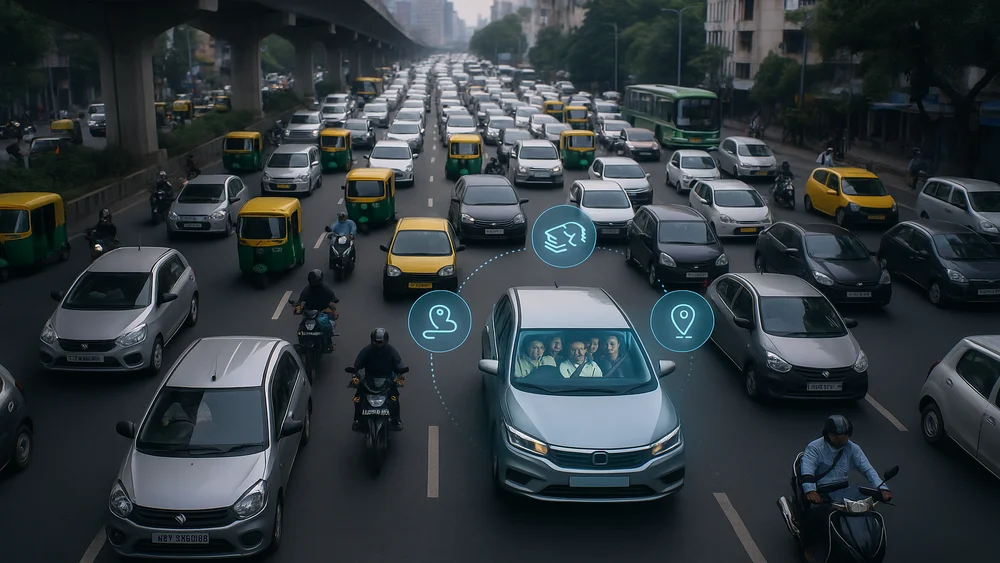
Transportation habits are changing as travelers look for smarter and more economical ways to move between destinations. Traditional options such as trains, buses, and flights remain widely used, but many people now prefer alternatives that offer flexibility, affordability, and a more social experience. Carpooling has emerged as one of the most practical solutions for travelers who want to share rides and reduce travel costs while maintaining comfort.
By allowing drivers with extra seats to share rides with passengers heading in the same direction, carpooling creates a convenient and efficient travel model that benefits everyone involved.
What Is Carpooling and How It Works
Carpooling is a system where multiple people share a single vehicle to travel to the same destination. Typically, a driver who already plans to make a trip offers available seats to passengers through an online platform. Passengers can browse available trips, select the most suitable option, and contribute toward travel expenses such as fuel and tolls.
This system allows drivers to offset the cost of their journey while passengers enjoy affordable and comfortable travel. Because the trip is already planned by the driver, the arrangement uses existing resources efficiently.
Technology has made carpooling easier to organize by connecting drivers and passengers through digital platforms.
The Financial Benefits of Shared Travel
One of the primary reasons travelers choose carpooling is cost efficiency. Long-distance travel can become expensive when relying on flights or train tickets, especially during busy seasons. Carpooling helps distribute expenses among passengers, making the journey significantly more affordable.
For students, professionals, and frequent travelers, these savings can make a major difference. Instead of paying for a full ticket price, passengers contribute a smaller share of the overall travel cost.
Affordable transportation also encourages people to travel more frequently, whether for work, family visits, or leisure.
Environmental Advantages of Carpooling
Carpooling also offers environmental benefits by reducing the number of vehicles on the road. When multiple passengers share one car instead of traveling separately, fuel consumption and emissions decrease. This helps lower the environmental impact associated with transportation.
Fewer vehicles on highways can also reduce traffic congestion, improving overall road efficiency. Many travelers appreciate the opportunity to contribute to more sustainable transportation practices while still enjoying convenient travel.
Shared rides represent a simple but effective way to support environmentally responsible mobility.
Social Experiences During Shared Journeys
Unlike many traditional transportation methods, carpooling often creates opportunities for meaningful interaction. Passengers share the journey with individuals from different backgrounds, professions, or cultures. These conversations can make travel more enjoyable and engaging.
Some travelers appreciate the sense of community that develops during shared rides. Instead of sitting quietly among strangers, passengers often exchange stories, travel tips, and experiences during the journey.
The social element adds a personal dimension that many people value.
Technology and the Growth of Carpooling
Advancements in digital platforms have played a significant role in expanding the popularity of carpooling. Mobile applications and websites now make it easy to search for rides, compare options, and coordinate travel details with drivers.
For individuals interested in exploring shared travel opportunities, Kangaride Carpool connects passengers and drivers through a platform designed to simplify carpooling arrangements. Such platforms make intercity travel more accessible while helping users find rides that match their schedules and destinations.
Technology continues to improve the reliability and convenience of shared transportation.
Flexibility Compared to Traditional Transportation
Carpooling offers flexibility that many traditional transportation systems cannot match. Passengers can choose rides based on departure times, pickup locations, and route preferences. This flexibility makes it easier to plan trips around personal schedules rather than fixed transport timetables.
Communication between drivers and passengers also allows travel details to be clarified in advance. This helps ensure a smooth and comfortable journey for everyone involved.
Flexible travel options are one of the main reasons carpooling continues to attract new users.
The Future of Shared Transportation
As transportation systems evolve, shared mobility solutions are expected to become even more important. Carpooling supports efficient resource use, reduces environmental impact, and offers affordable travel alternatives.
With continued technological improvements and growing awareness of sustainability, shared transportation models will likely expand further in the coming years.
Carpooling represents a shift toward smarter and more collaborative travel practices.
Final Thoughts
Carpooling has transformed the way people travel between cities by offering a practical balance of affordability, convenience, and social interaction. By sharing rides, travelers reduce expenses while contributing to more sustainable transportation systems.
Whether traveling for work, study, or leisure, shared travel solutions provide a flexible and engaging way to reach destinations. As more travelers embrace this approach, carpooling will continue playing a significant role in the future of mobility.